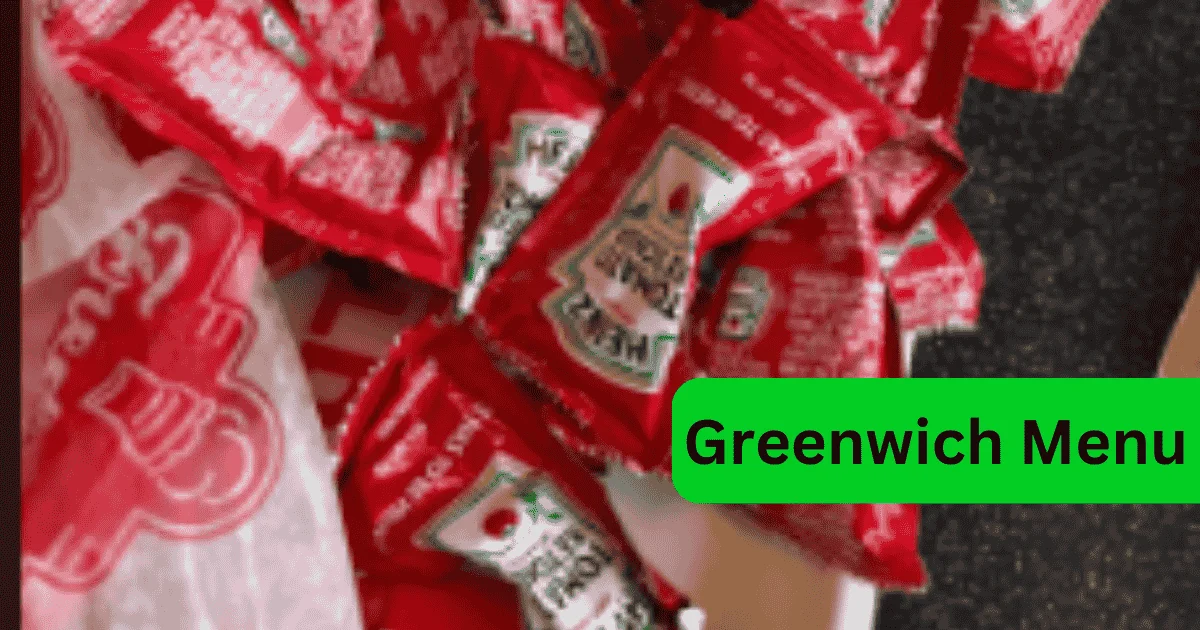
Ever scrolled through a fast-food menu and felt that irresistible urge to drown your fries in an extra dollop of ketchup? It’s not just about the taste—it’s a simple act that taps into something deeply human. In a world of gourmet trends and health fads, extra ketchup reminds us of comfort, nostalgia, and the joy of indulgence. If you’re craving that tangy kick, stick around; this post dives into why a little extra red sauce can bring so much emotional satisfaction. (Psst: Share this with your fellow condiment lovers for instant traffic—because who doesn’t love a good ketchup debate?)
The Emotional Pull of Ketchup
Ketchup isn’t just a condiment; it’s a gateway to memories. Think back to your childhood picnics or late-night snack runs. That familiar squirt from the bottle evokes a sense of warmth and familiarity. Psychologists might call it “comfort food,” but for many, it’s more than that—it’s a hug in liquid form. Studies show that familiar flavors trigger dopamine releases, making us feel happy and secure. Extra ketchup amplifies this, turning a mundane meal into a mini celebration. It’s why we pile it on burgers, fries, or even eggs—because in those moments, we’re not just eating; we’re reconnecting with simpler times.
But let’s get real: why do we crave extra? It’s human nature to seek excess in small pleasures. In a society obsessed with portion control and diets, slathering on more ketchup feels rebellious. It’s a quiet rebellion against restraint, a way to say, “Today, I’m indulging.” This emotional layer makes ketchup more than a flavor enhancer—it’s a mood booster. Imagine a stressful day at work; a handful of fries with extra ketchup can melt away tension. It’s affordable therapy, available at every corner store.
Cultural and Social Bonds
Ketchup transcends cultures, fostering connections. In the U.S., it’s synonymous with American fast food, but globally, variations like tomato sauce in Italy or gochujang in Korea show its universal appeal. Yet, the “extra” part? That’s where personal stories shine. Families have traditions—grandma’s secret recipe or dad’s insistence on drowning everything in Heinz. Socially, sharing a bottle at a barbecue sparks conversations. “How much is too much?” becomes a bonding question, revealing quirks and preferences.
This social aspect ties into human feelings of belonging. Anthropologists note that shared food rituals build communities. Extra ketchup at a party isn’t just about taste; it’s about inclusion. It levels the playing field—rich or poor, everyone can enjoy it. In an era of social media, posting a photo of your extra-ketchup-drenched meal invites likes and comments, creating virtual connections. It’s a reminder that even in digital isolation, something as simple as a condiment can bridge gaps.
Health, Hype, and the Human Body
Now, for the skeptics: is extra ketchup healthy? Nutritionally, it’s mostly tomatoes, vinegar, and sugar—low in calories but high in lycopene, which fights inflammation. Yet, moderation matters; too much can add unnecessary sugars. But here’s the twist: our bodies crave it for reasons beyond nutrition. The tangy acidity stimulates saliva, enhancing flavor perception. It’s a sensory delight that engages multiple senses, making eating more pleasurable.
From a psychological standpoint, the “extra” satisfies our innate desire for variety. Humans are wired to seek novelty, and piling on ketchup introduces a burst of excitement to routine meals. This ties into evolutionary biology—our ancestors foraged for diverse flavors to ensure balanced diets. Today, extra ketchup mimics that thrill, keeping meals interesting.
The Future of Extra Ketchup
As trends evolve, ketchup adapts. Plant-based versions cater to vegans, while artisanal brands offer gourmet twists. But the core remains: that human craving for more. In a fast-paced world, extra ketchup offers a pause—a moment to savor. It’s sustainable too; tomatoes are easy to grow, making it an eco-friendly choice compared to processed alternatives.
Looking ahead, expect innovations like infused ketchups (think spicy or herb-infused). But no matter the form, the emotional core endures. It’s a testament to our humanity: finding joy in the simple, the excessive, the familiar.
Personal Reflections and Tips
On a personal note, my love for extra ketchup started with family dinners. It wasn’t fancy, but it was ours. Now, as an adult, I use it to unwind. Tips for fellow enthusiasts: experiment with homemade versions—roast tomatoes for depth. Pair it with unexpected foods like grilled cheese or salads for a flavor punch. And remember, it’s okay to go overboard sometimes; life’s too short for bland bites.
In conclusion, extra ketchup isn’t just about food—it’s about feeling alive. It evokes nostalgia, fosters bonds, and satisfies cravings. So next time you reach for that bottle, embrace the extra. It’s a small act with big emotional rewards. What’s your ketchup story? Drop a comment below—let’s keep the conversation flowing!